
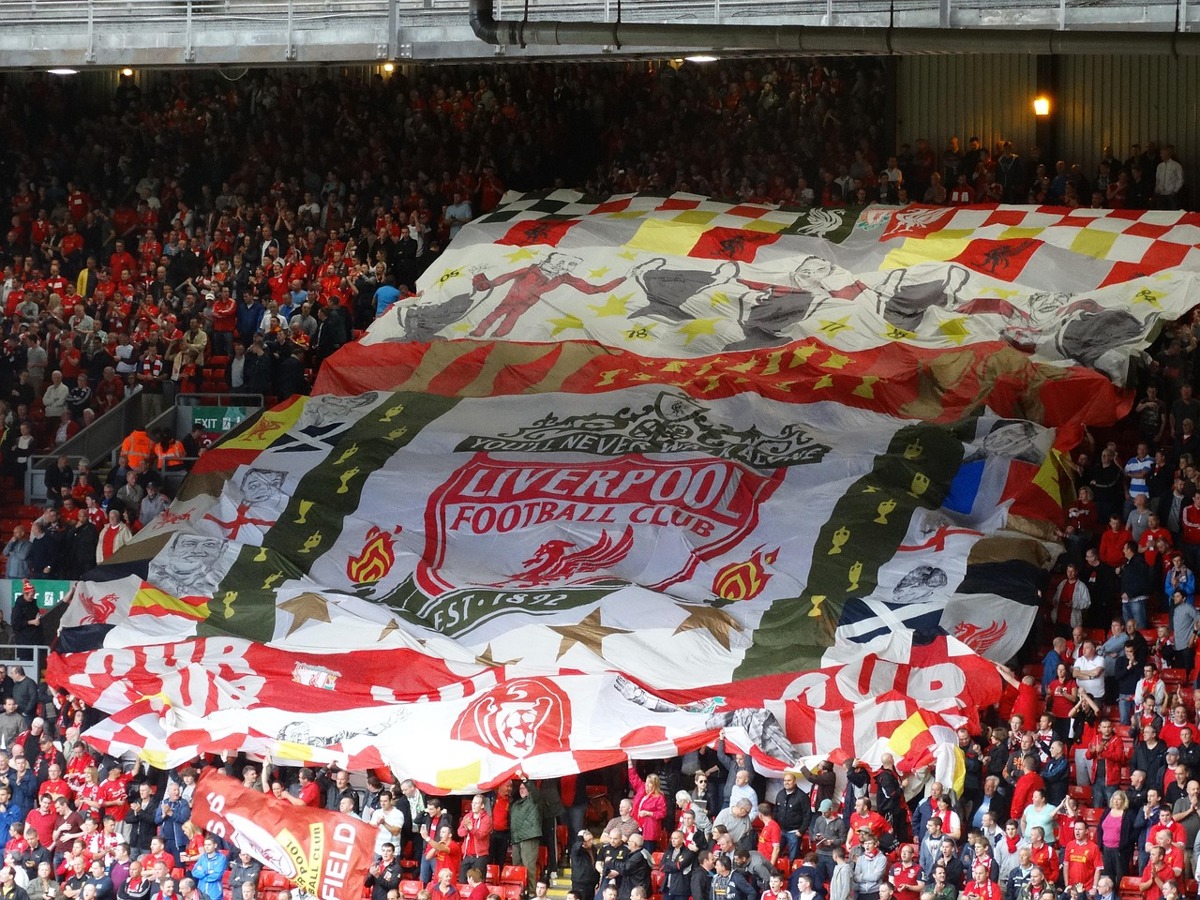
There’s a reason people keep circling back to Liverpool matches when they talk about football predictions. Even after all these years. Even after chaotic title races, managerial changes, injuries, VAR arguments, and entire seasons that looked cursed from October onward. Some clubs attract viewers. Liverpool attracts obsession. I’ve worked around sports media and digital content for close to eight years now, and honestly, I’m tired of people pretending football audiences only care about trophies. They don’t. They care about unpredictability, emotional swings, narrative pressure, and the strange confidence that somehow returns every Friday night before kickoff. Liverpool gives people all of that. Every week.
That’s the first thing prediction-focused audiences notice. A club that can beat the strongest side in Europe and then struggles against a lower-table team three days later creates endless engagement for analysts, casual bettors, fantasy football players, and statistics communities.
Short version? Chaos sells. According to data from Opta Analyst and historical Premier League viewing reports, Liverpool fixtures consistently remain among the most-watched English football broadcasts globally. The combination of attacking football, high pressing, and emotional momentum swings keeps audiences engaged deeper into matches compared to slower tactical teams. Even neutral viewers tune in.
Prediction culture has changed a lot over the past decade. It’s no longer just professional gamblers or spreadsheet addicts posting probabilities online at 2 a.m. Now you’ve got Discord communities, Telegram groups, fantasy football creators, YouTube analysts, TikTok stat breakdowns, and casual fans comparing form charts during lunch breaks. Liverpool sits right in the middle of that ecosystem.
The club generates huge discussion because trends shift constantly:
People love variables. Liverpool produces them every week.
Most football fans aren’t looking for giant promises anymore. They’re looking for clarity. That’s especially true during heavy football periods like Premier League run-ins or Champions League knockout rounds, when prediction apps, entertainment platforms, and football-related gaming promotions all start competing for attention at the same time. A lot of casual users jump into offers too quickly and ignore the important details. Expiry periods, wagering conditions, restricted games, max withdrawal limits — all the boring stuff people skip until they suddenly realize the offer wasn’t nearly as flexible as they expected. That’s why many football communities now share resources and comparison guides before major matchdays. During one Liverpool-heavy discussion thread earlier this season, I noticed people repeatedly recommending this 150 bonus checklist because it breaks down how different free spins promotions actually work instead of throwing oversized numbers at readers without context.
What makes that kind of resource useful is the practical angle. It explains things people usually ignore:
And honestly, football audiences respond well to that format because prediction culture already trains people to compare details carefully before making decisions. There’s also a broader trust issue online now. Fans don’t want aggressive advertising during football coverage every five minutes. They want tools that help them filter noise quickly and move on with their day. Platforms like CasinosAnalyzer have quietly become part of that shift because they focus more on transparent comparisons and practical explanations than on oversized promotional claims. That approach fits modern football audiences better. Most Liverpool fans following prediction trends already spend enough time comparing stats, injury reports, and match patterns, so they naturally respond better to resources that organize information clearly instead of pushing hype. That mindset has become surprisingly common among Liverpool supporters in particular, probably because the club’s fan culture has always revolved around analysis, memory, and discussion rather than pure hype.
Some clubs dominate locally. Liverpool dominates emotionally. That matters more. You can see it in viewing figures across Asia, Africa, and North America, where Liverpool fan communities remain incredibly active even during weaker league stretches. A 2025 Nielsen sports media report showed Premier League clubs with strong international identity consistently outperforming others in social engagement during non-match periods. Liverpool was near the top again. Part of this comes from history. Part comes from branding. But a huge part comes from emotional unpredictability. Fans don’t watch Liverpool because the outcome feels safe. They watch because the emotional swing feels addictive.
| Factor | Why It Increases Prediction Interest |
| High pressing football | Creates volatile match flow |
| Late-game intensity | Encourages live prediction activity |
| Emotional fanbase | Drives online discussion |
| Strong global audience | Keeps engagement high across time zones |
| Historic rivalries | Boosts betting and prediction attention |
That unpredictability feeds directly into digital football culture.
This part gets overlooked constantly. Modern football audiences don’t just watch matches anymore. They consume entire ecosystems around them:
I saw one Liverpool fan forum thread last season discussing injuries, expected goals data, and the emotional impact of the mars saturn conjunction in the same conversation. Weirdly enough, nobody even questioned it. That’s football internet culture now. People build rituals around uncertainty because uncertainty is exhausting. Football supporters just package it differently than everyone else.
Some clubs are easier to predict structurally. Liverpool isn’t one of them. The team often produces matches where underlying metrics and emotional momentum completely disagree. Expected goals may favor one side, while Liverpool still finds a late winner through intensity alone. Analysts hate that. Fans love it.
And because Liverpool matches produce constant debate, prediction-oriented audiences keep returning:
People don’t stop talking about Liverpool because there’s always another angle.
| Metric | Why Fans Watch It |
| Expected Goals (xG) | Measures attacking quality |
| High turnovers | Tracks pressing success |
| Possession recovery time | Indicates defensive intensity |
| Shot conversion rate | Reveals finishing efficiency |
| Late goals scored | Shows momentum patterns |
| Home vs away form | Influences predictions heavily |
You don’t need to be a hardcore analyst to get pulled into that loop either.
That’s the important part.
People sometimes reduce prediction culture to gambling alone, but that misses the point completely. A lot of fans simply enjoy pattern recognition. They like comparing statistics. They like predicting tactical setups. They like arguing about momentum. Liverpool happens to be one of the richest clubs in football for that kind of discussion because the emotional range is so extreme from week to week. One weekend feels euphoric. The next feels catastrophic. Then the cycle repeats. That’s why prediction audiences keep watching Liverpool. Not because certainty exists. Because it doesn’t.