
 Image Source: Pexels
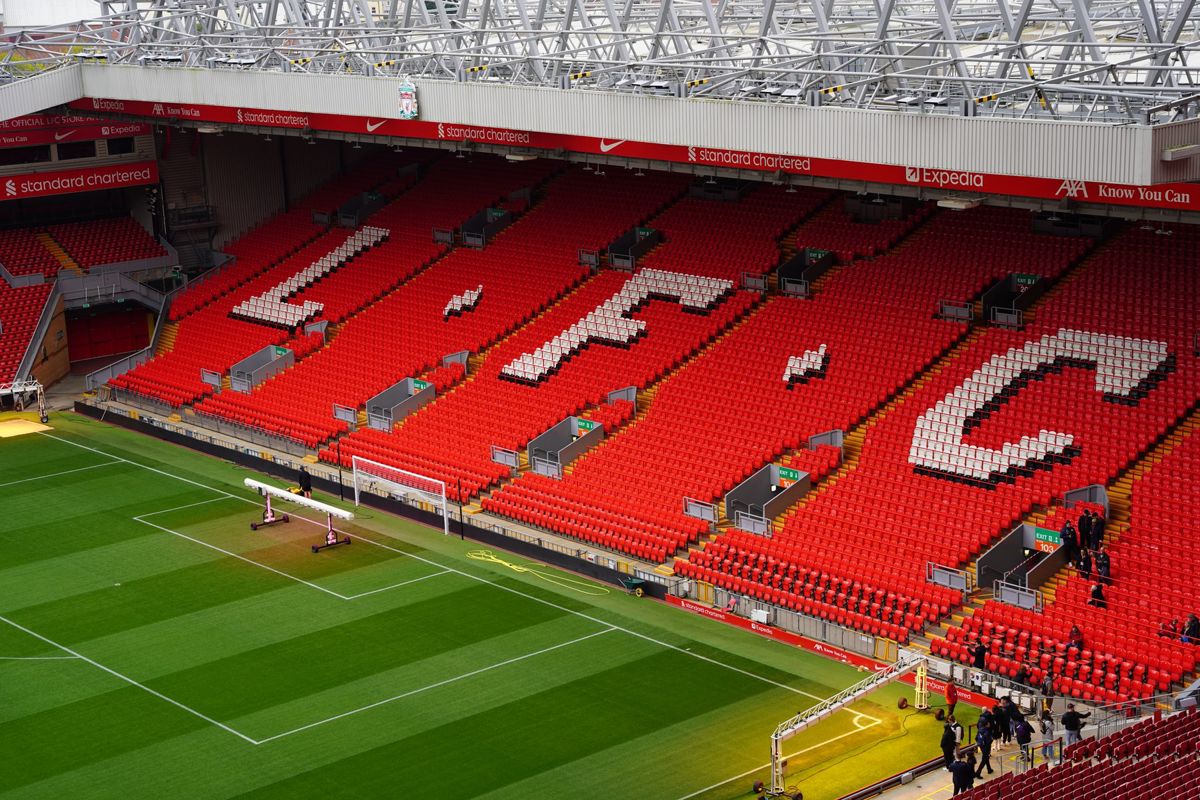
An example of how elite football clubs have become sporting organizations with global media and commercial platforms is Liverpool FC. No longer is there just one pitchside sponsorship; clubs provide brands access to digital audiences, social content, international fan communities, and year-round entertainment.
That broader commercial landscape offers part of the answer to why football is one of the most valuable cultural touchpoints for any iGaming brand, including Casumo Casino. It's not just because a lot of people watch matches; it's because the top clubs dominate TV, social media, gaming content, and digital content.
Commercial partners have huge exposure potential with Liverpool's audience. The club's social media engagements reached 1.7 billion during its 2024-25 title-winning season, and its total worldwide television reach across all competitions exceeded 588 million.
For instance, Liverpool also had 87 million hits on its official website during the season and over 200 million followers on its social accounts worldwide. Those figures illustrate the importance and value of a football collaboration beyond signage.
This is important for iGaming brands as the audience is becoming more compartmentalized. A fan might watch Liverpool on television, follow clips on TikTok, read team news online and interact with gaming content during the same week. Football thus offers a number of opportunities to stay culturally relevant, without relying on a single advertising channel.
Businesses in Liverpool today range from financial services and technology to payments, airlines, consumer products, gaming, and betting. Among its official partner portfolio are EA SPORTS and betting brands like Ladbrokes, Interwetten and Sportium.
That's a testament to the value of football audiences across several industries. That same supporter could be a target for entertainment businesses, technology and financial brands, as football excitement is now not just about the 90 minutes of a match.
The game of strategy is obvious for iGaming. Football doesn't have to be a purely direct-response marketing channel. Instead, it can deliver cultural association, brand recognition, and repeat exposure within a significantly larger entertainment system.
The biggest shift could be the emergence of quantifiable digital engagement. The rejuvenated EA SPORTS Liverpool partnership provides a good illustration. The club's social content through the relationship has amassed over 115 million views and approximately 6.6 million engagements.
That shows how modern sponsorship can be about active involvement rather than passive visibility. A partner can be integrated into player-rating videos, social formats, digital activations and fan experiences that have a life beyond the match.
This is particularly significant for businesses in the iGaming sector, like Casumo Casino, where digital audiences already play a pivotal role. The partnership between football and operators is increasingly aligning with the same mobile-first consumers that operators hope to reach via their apps, websites and social platforms.
The commercial model also demonstrates how a single global brand, Liverpool, can underpin strategies across markets.
Today, the club has several bookies and no single company to handle betting across all territories. That enables commercial contracts to be tailored to specific areas, where regulation, consumer habits and brand awareness can differ significantly.
That said, this method may prove to be more relevant for iGaming businesses in the future. A message that works in the UK might not work in Germany, Spain, or another regulated market, even if the underlying football audience is the same club. Football is a common cultural platform, and commercial activation can be localized around it.
A major reason football is still worth watching is the unusually long-term relationships among supporters.
Fans are not just match consumers. They listen to the transfer news, watch training clips, purchase merchandise, play football games and engage in online discussion all year round.
The continuous engagement is evident from Liverpool's own digital numbers. The club has seen billions of social interactions and video views beyond regular match streams, essentially transforming the club into a content publisher for the whole year.
It gives partners opportunities to be involved in entertainment, not just interrupt it. This is significant for brands and the entire iGaming industry, as it means brand-building can be more effective when tied to content that audiences already opt in to.
Another key takeaway from Liverpool's partnership with EA SPORTS is the increasing interactivity of football fandom.
In 2026, the club revived a partnership spanning more than a decade among real-life Liverpool, EA SPORTS FC, and digital fan experiences. The crossover between football and video gaming is important for iGaming, as it normalizes interactive sports entertainment within the wider football fan journey.
The lines between sports viewing, playing, predicting and talking about football are therefore no longer as clear.
That means iGaming platforms are not introducing a new way of viewing sports, but rather one people are already used to.
As Liverpool's strategy hints, the value of football sponsorship is increasingly about the entire football ecosystem.
While television audiences around the world continue to count, social engagement, gaming partnerships, websites, international communities and localized commercial agreements are all equally important. All those channels combine to make one football club a multi-platform entertainment brand.
This makes it especially appealing for iGaming and related digital companies to continue investing in football. The sport has scale; more importantly, it has the opportunity to be culturally relevant again and again.
The broader takeaway for brands is that football has immense value as it can entertain, build identity and engage with audiences digitally, all at once. That mix could prove even more commercially significant to iGaming than it does to elite football, as the sport becomes more of a media organization.